
Exercise, Hydration and Blood Tests
Why how you prepare matters more than you think
"I did my blood test the morning after a long run. Does that matter?"
Short answer: yes. Long answer: more than most people realise and understanding why can make a real difference in how you read your results.
When "normal" doesn't tell the whole story
Reference ranges are designed to detect disease. They are not designed to detect early imbalance.
You can be technically "normal" and still feel drained. Fatigue rarely begins with something dramatic, it starts quietly, with small shifts, gradual strain, subtle overload. And the body compensates for a long time before it protests.
That's why context matters as much as the numbers themselves.
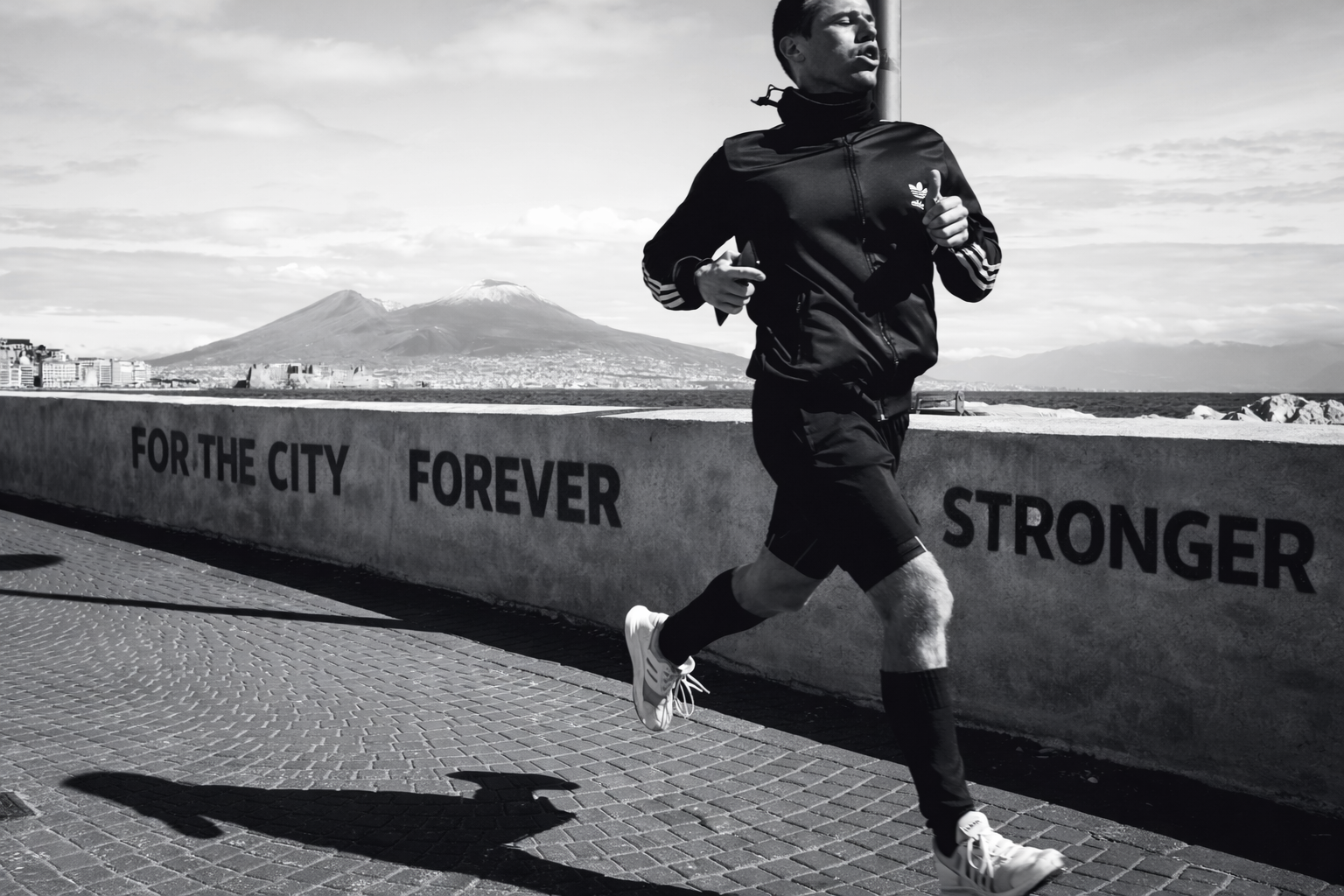
1. Your Body Remembers What You Did Yesterday
A blood test reflects what is happening in your body at that exact moment.
But your body doesn’t reset overnight.
It reacts to everything:
the workout you did
how well you slept
how much water you drank
whether you had alcohol
how stressed you’ve been
So when we interpret your results, we’re not just looking at your biology.
We’re looking at what your body is responding to.
2. Exercise can temporarily shift your markers
Physical activity is healthy, absolutely. But intense exercise within 24–48 hours before a blood test can temporarily influence:
This doesn't mean something is wrong. It simply means your body is still recovering. Without context, elevated values can look concerning — when in reality, it's just normal physiology.
Recommendation: avoid intense training for 24–48 hours before your appointment. Light walking is fine.
3. Hydration Changes More Than You Think
Even mild dehydration can slightly concentrate your blood.
This may lead to:
higher hematocrit and hemoglobine
elevated creatinine and urea
small shifts in sodium and potassium
slightly concentrated albumin
Not pathology, just physiology.
Recommendation: drink 1.5 to 2 litres of water the day before your test. On the morning of your appointment, have a large glass before leaving home.
4. Alcohol, Sleep and Stress Leave Traces
Even moderate alcohol intake can temporarily affect liver markers, triglycerides and inflammatory markers. Poor sleep or acute stress can influence glucose, cortisol and immune balance.
Your blood test is not judging you. It's simply reflecting recent inputs.
Worth knowing: avoid alcohol for at least 24 hours before your test. If you've had a stressful or sleepless night, mention it when you arrive, it helps with interpretation.
5. Why This Matters in Preventive Medicine
In diagnostic medicine, the main question is often:
“Is there disease?”
In preventive care, the question is different:
“What is influencing this result?”
This is why we ask simple but important questions:
Did you exercise intensely the day before?
Were you fasting properly?
Were you recently ill?
Because context prevents overinterpretation.
6. Simple Preparation Guidelines
For the most reliable results, in the 48 hours before your appointment:
Avoid intense exercise 24–48 hours beforehand
Drink 1.5–2 L of water the day before
Have a large glass of water the morning of the test
Avoid alcohol for at least 24 hours
Aim for 7–8 hours of sleep the night before
Arrive calm, avoid rushing just before your draw
Mention anything unusual (illness, medication, stress) to your practitioner
These small details make a significant difference in interpretation.
7. What This Means for You
If one value is slightly elevated after a hard workout, it does not automatically indicate a problem.
Sometimes, the most sensible next step is simply to repeat the test under standard conditions.
Blood tests are powerful tools — but only when interpreted within context.
And preparation is part of that context.
Download our preparation checklist to make the most of your blood test.
Scientific References
Pettersson J. et al. Muscular exercise can cause highly pathological liver function tests in healthy men. British Journal of Clinical Pharmacology, 2008.
pmc.ncbi.nlm.nih.gov/articles/PMC2291230Nathalie A. et al. The Impact of Acute Exercise on Blood Work Parameters: A Case Report of a Healthy Male University Student. Cureus, 2024.
pmc.ncbi.nlm.nih.gov/articles/PMC11498664Ashraf M.U. et al. Effect of dehydration on blood tests. Practical Diabetes, Wiley Online Library, 2017.
wchh.onlinelibrary.wiley.com/doi/10.1002/pdi.2111Van de Wiel A. The Effect of Alcohol on Postprandial and Fasting Triglycerides. International Journal of Vascular Medicine, 2012.
pmc.ncbi.nlm.nih.gov/articles/PMC3179875-
Because reference ranges detect disease, not early imbalance. Fatigue often reflects subtle strain across several systems, even when values remain within range.
-
Most of the time, no. It usually reflects how the body is adapting to stress, sleep patterns, workload, or lifestyle, rather than an undiagnosed disease.
-
Look at patterns, not single values. Review trends over time, consider lifestyle load, and seek interpretation not just reassurance.